Menopause Leaky Bladder Full Library Vids & Pics Direct Link
Claim Your Access menopause leaky bladder unrivaled internet streaming. Gratis access on our content platform. Be enthralled by in a comprehensive repository of videos available in 4K resolution, the best choice for select streaming fanatics. With content updated daily, you’ll always never miss a thing. Seek out menopause leaky bladder expertly chosen streaming in crystal-clear visuals for a completely immersive journey. Access our streaming center today to feast your eyes on solely available premium media with without any fees, no need to subscribe. Appreciate periodic new media and browse a massive selection of unique creator content engineered for superior media addicts. Make sure to get hard-to-find content—begin instant download! Experience the best of menopause leaky bladder distinctive producer content with amazing visuals and select recommendations.
Leaky bladder in menopause is common but treatable Read on to learn more. Learn why estrogen changes affect bladder control and how pelvic floor physical therapy can fix leaking, urgency, and pelvic symptoms.
Does Menopause Cause Weak Bladder
A little urine leakage isn't uncommon among menopausal women I have covered all aspects, including the cause of urinary incontinence in menopause, the types of urinary incontinence, and how to manage it Understand why it happens and how to manage it.
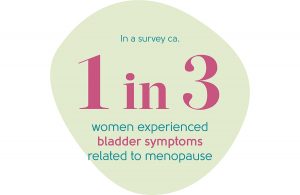
Problems like frequent urination, sudden urges to pee, and urinary leakage become more common during and after menopause, affecting daily activities and overall quality of life.
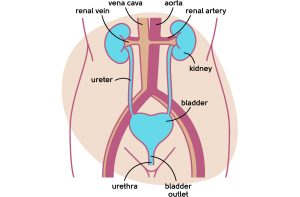
The decline in oestrogen levels during menopause can weaken the muscles and tissues in the pelvic area, including those that support the bladder and urethra This weakening can result in urinary incontinence, which is the involuntary leakage of urine. Struggling with a weak bladder during female menopause The loss of oestrogen during the menopause transition makes the tissue in your bladder more sensitive and delicate
Instead of happily expanding as it fills with urine (like filling a balloon with water), the bladder gets irritated and tries to empty before filling. During perimenopause and after, pelvic floor muscles may weaken which makes it more difficult to hold the urine back with a sudden movement This is leakage associated with an overwhelming urge to urinate that you cannot stop. As you near menopause, your estrogen levels begin dropping

This lack of estrogen may cause your pelvic muscles to weaken
They may no longer be able to control your bladder as they did before. While bladder leakage from menopause is common, it should not be accepted as a new normal. possible solutions depend on the type of bladder leakage you're experiencing and how bad it is, but they all should begin with a conversation with your healthcare provider (hcp). Stress urinary incontinence, also known as the leaky valve, is the most common type of urinary incontinence in menopause The decline in oestrogen levels during menopause can weaken muscles and tissues in the pelvic area, including those supporting the bladder.
This leads to discomfort, dryness, and pain during intimacy 2️⃣ weakening your bladder support the tissues holding everything up lose strength That's when leaking, urgency, and not making it in time start 3️⃣ making prolapse more likely less oestrogen = less collagen = less structural support.

Also referred to as pelvic floor muscle training, kegels can be performed at almost any time and are particularly beneficial for women experiencing bladder control issues during or after menopause
Hormonal changes associated with menopause can lead to urinary incontinence (ui), with symptoms varying from minor leakage to significant disruptions. Stress incontinence is when you leak small amounts of urine when you cough, sneeze, laugh, exercise or jump. Many women experience bladder leakage during perimenopause and menopause, but it doesn't mean you have to live with it Learn why it happens and what can be done to treat symptoms of urinary incontinence during the menopause and incontinence.
Struggling with bladder leaks, pelvic pressure, or painful sex in menopause Discover how pelvic floor therapy supports strength, comfort, and confidence. Urinary incontinence, or loss of bladder control, is more common in women during and after menopause Learn about causes and treatment.

Rachael sussman, a urologist/urogynecologist at medstar georgetown university hospital, answers our questions about menopause and urinary incontinence
Urgency urinary incontinence is urine leakage after a sudden, compelling need to urinate that is difficult to delay while you find a toilet Mixed incontinence is when you have both symptoms of stress incontinence and urgency. Can menopause cause urinary incontinence Know about the reasons for ui in menopause
Also, get a detailed insight into the ways to manage and treat it. In the search to narrow down a culprit, estrogen loss from menopause looks reasonably guilty Estrogen is a hormone that affects far more than the reproductive system, and most types of bladder leakage during menopause have links to estrogen loss. Is bladder leakage after menopause normal
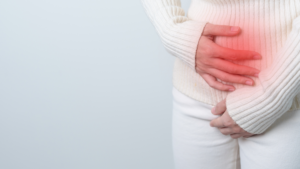
It is common, but you do not have to accept it as your new normal
Pelvic floor muscle training is supported by evidence as a conservative approach that can help many women with urinary incontinence. Urinary incontinence or changes in urinary frequency can occur during menopause as a result of various factors, including hormonal changes, weakening of the pelvic floor muscles, and other underlying medical conditions It's essential to understand the symptoms, causes, risk factors, and effects of these issues to better manage and treat them. Not sure why you're leaking urine
Menopause marks a significant transition in a woman's life, bringing many physical and emotional changes While hot flashes and mood swings are commonly discussed, many women face another challenging and often embarrassing symptom Problems like frequent urination, sudden urges to pee, and urinary leakage become more common during and after menopause, affecting daily. If you've been struggling to hold in your pee, as well as noticing other telltale signs of perimenopause, such as hot flashes, night sweats, and mood swings, your loss of bladder control could be menopause related
Urinary incontinence is the involuntary loss or leakage of urine or loss of control of your bladder, says dr
Navigating menopause and leaking urine Surgery common procedures during perimenopause or menopause include hysterectomies or prolapse repair, both of which can contribute to incontinence Menopause can contribute to two primary types of urinary incontinence Stress incontinence occurs when the muscles supporting the bladder and urethra are weakened
This leads to leakage during activities that put pressure on the bladder, such as coughing, sneezing, laughing, or exercising Urge incontinence is also known as overactive bladder. A leaky bladder had become a cause for her concern in her early 50s Are you of menopausal age and worried about urinary incontinence

Then, this is the perfect article for you